Metered feeding
Conditioned material enters the mill at a controlled rate, stabilizing motor load and residence time.
Purpose-built pulverizing for graphite anode, petroleum coke and advanced lithium materials, with integrated classification and contamination-controlled options.
*Compared with a conventional domestic mill in the supplied manufacturer documentation; results depend on material and operating conditions.
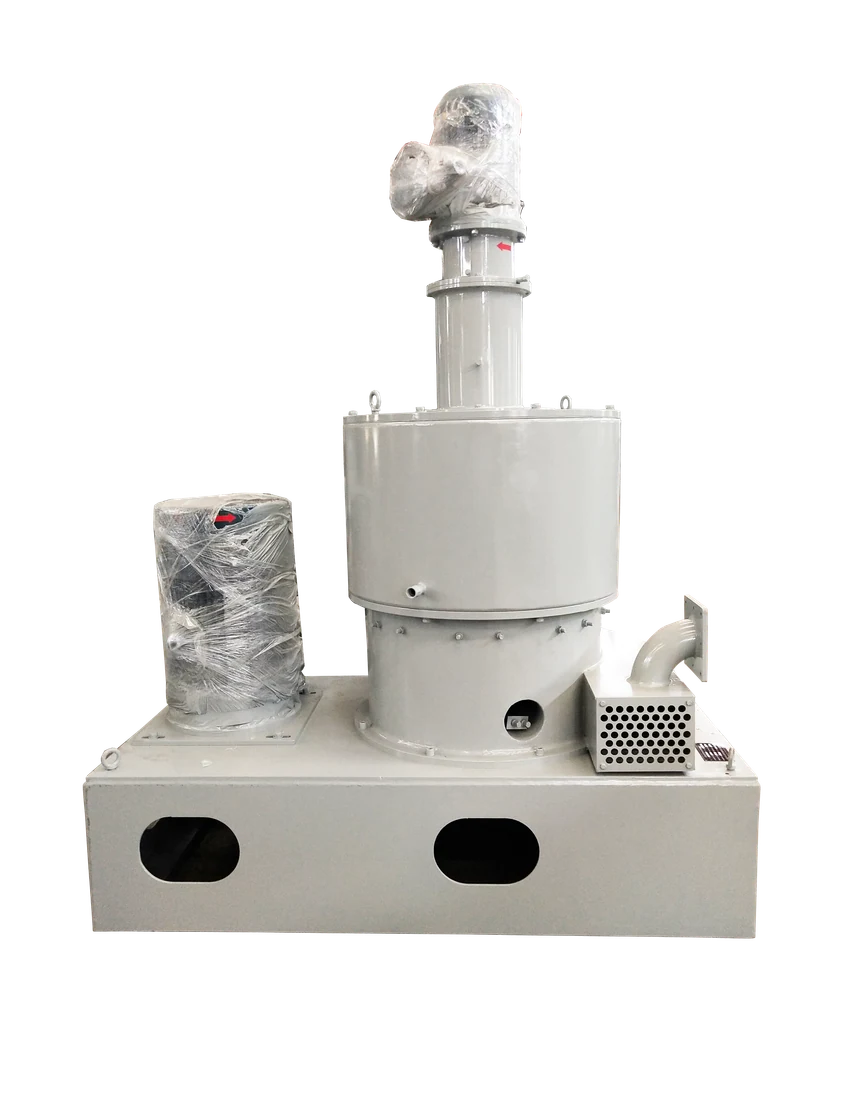
01 / Equipment overview
The CJM combines impact grinding, shaping and classification in one compact circuit. It is designed for applications where throughput, particle distribution and purity all matter at the same time.
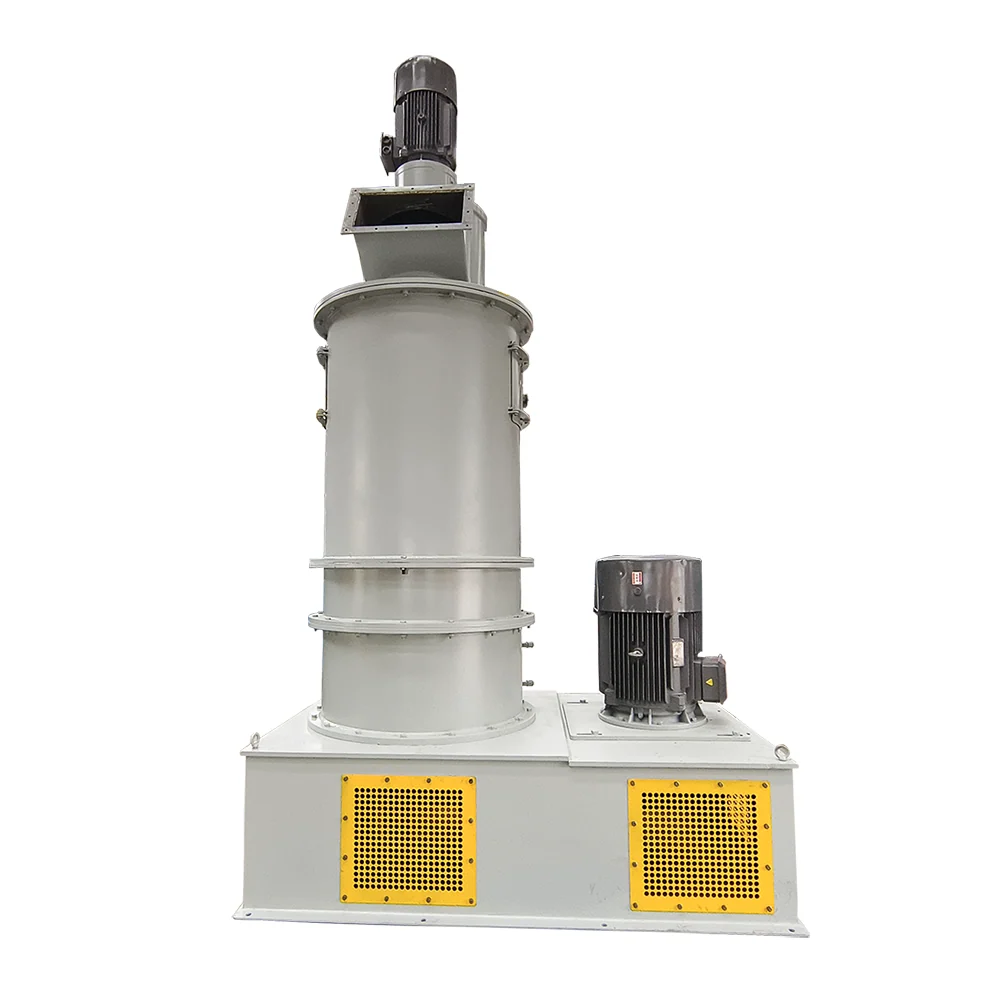
Conditioned material enters the mill at a controlled rate, stabilizing motor load and residence time.
A high-speed rotor accelerates particles against the engineered grinding zone. Repeated impact and shear reduce size while promoting a more rounded particle profile.
The integrated classifier passes on-spec powder and returns coarse material to the grinding chamber, keeping the product distribution concentrated.
A blower moves qualified powder to the collection system, supporting clean transfer, low dust escape and continuous production.
02 / Product advantages
The design concentrates the functions that directly affect yield, maintenance and contamination risk.
A large grinding area and optimized impact pair are documented to deliver over 30% higher throughput versus a comparable conventional mill.
Grinding and classification happen in the same chamber, reducing over-grinding and keeping the finished product within a tighter operating window.
Composite ceramic contact parts can isolate the powder from common metallic wear surfaces and help control iron pickup.
High-chromium wear parts, a treated grinding pair and accessible internal cavity support longer campaigns and simpler service.
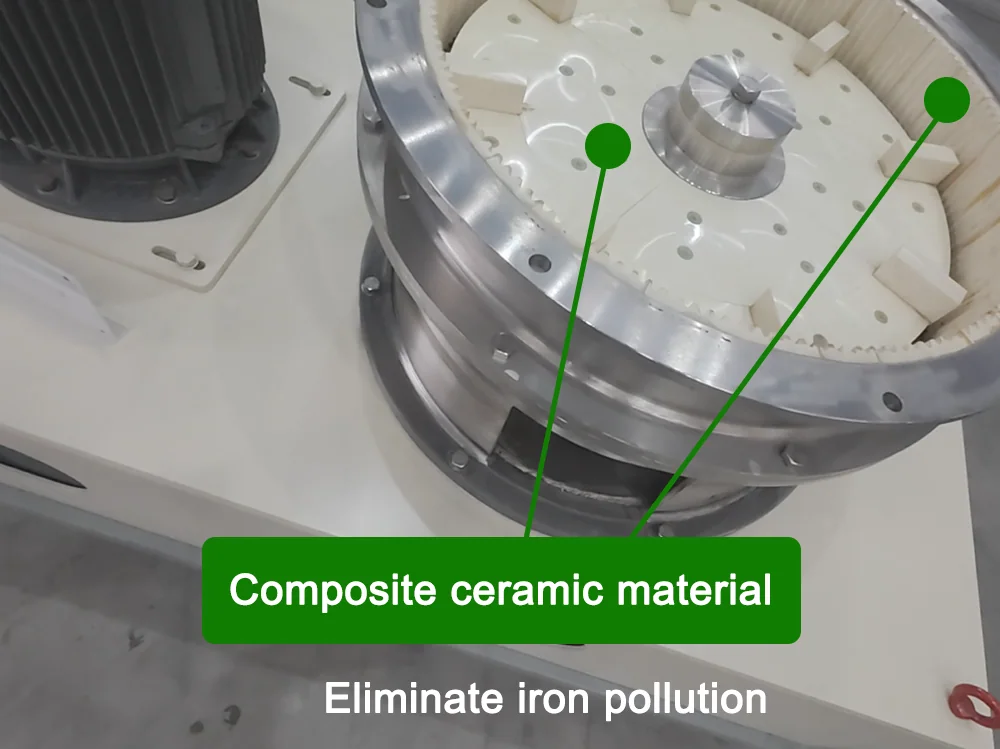
Purity configuration
For graphite anode and other purity-sensitive products, Cronus can configure non-metallic or ceramic contact surfaces based on the process route and contamination target.
03 / Applications
Battery powders differ in hardness, moisture, conductivity and contamination limits. Cronus evaluates the feed and target PSD before selecting rotor, classifier and contact materials.
Natural or synthetic graphite shaping and final particle control.
Raw or calcined coke preparation for downstream carbon processing.
Controlled size reduction with a clean, closed material path.
Selected fine-powder duties with material-specific contact surfaces.
Dry processing subject to moisture, fineness and purity verification.
Application assessment includes hygroscopicity and sealed handling needs.

Process animation
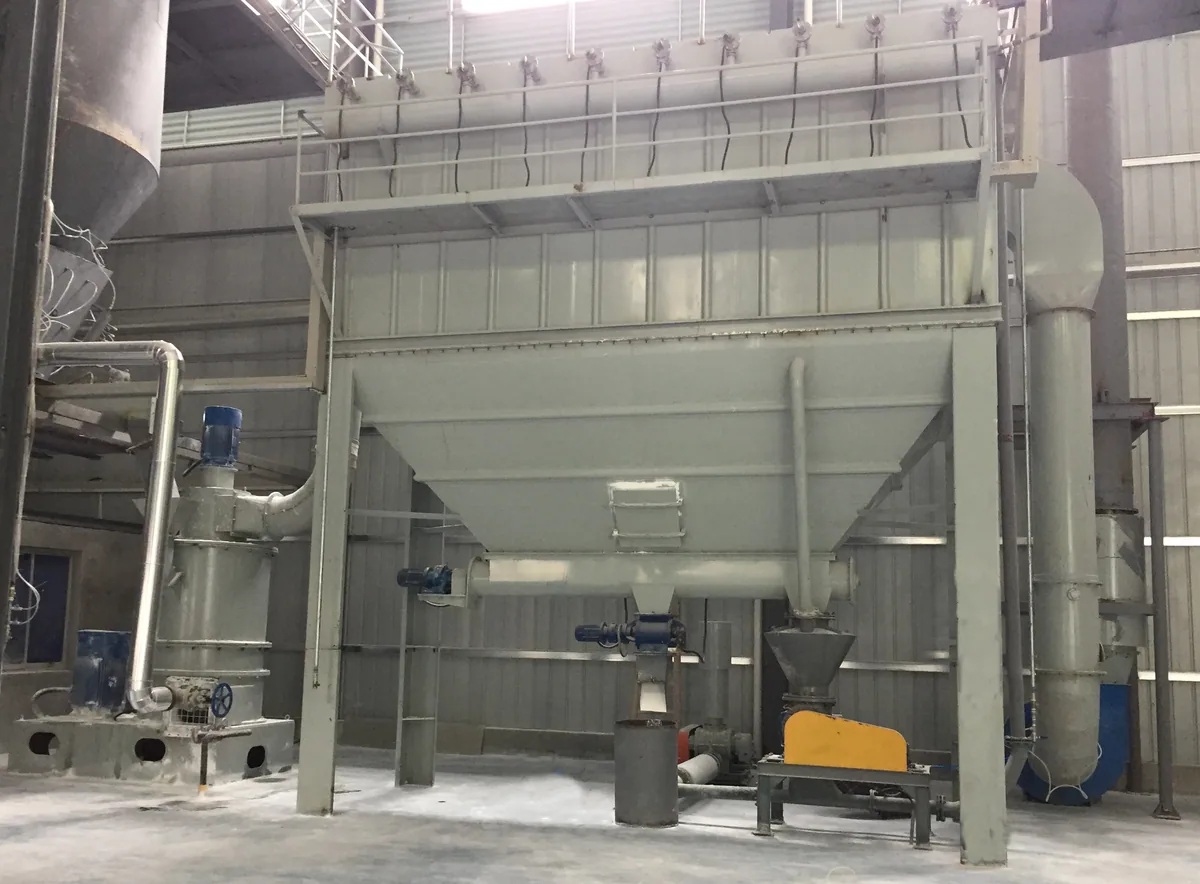
The complete system can include feeding, impact grinding, dynamic classification, negative-pressure conveying, dust collection and automated control.
04 / Project evidence
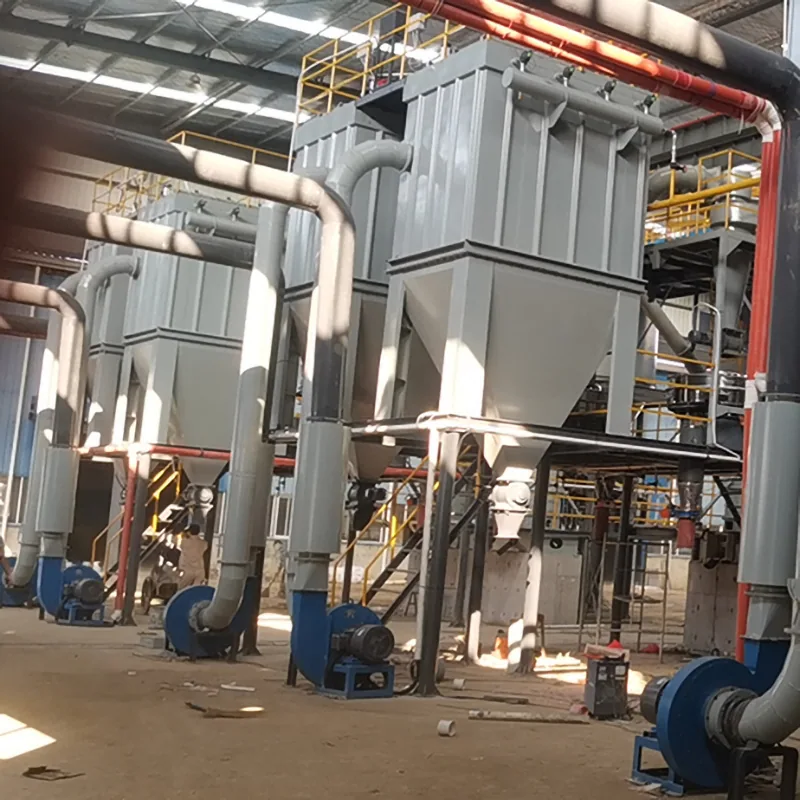
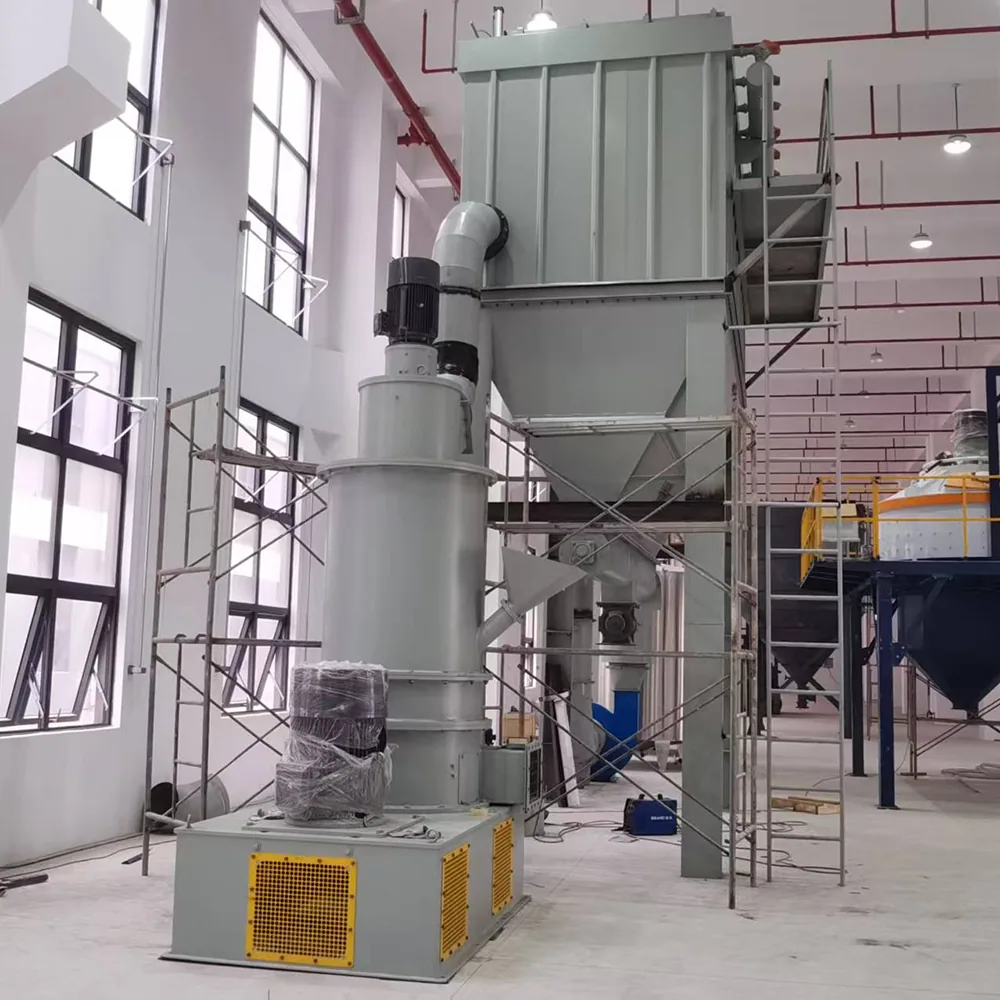
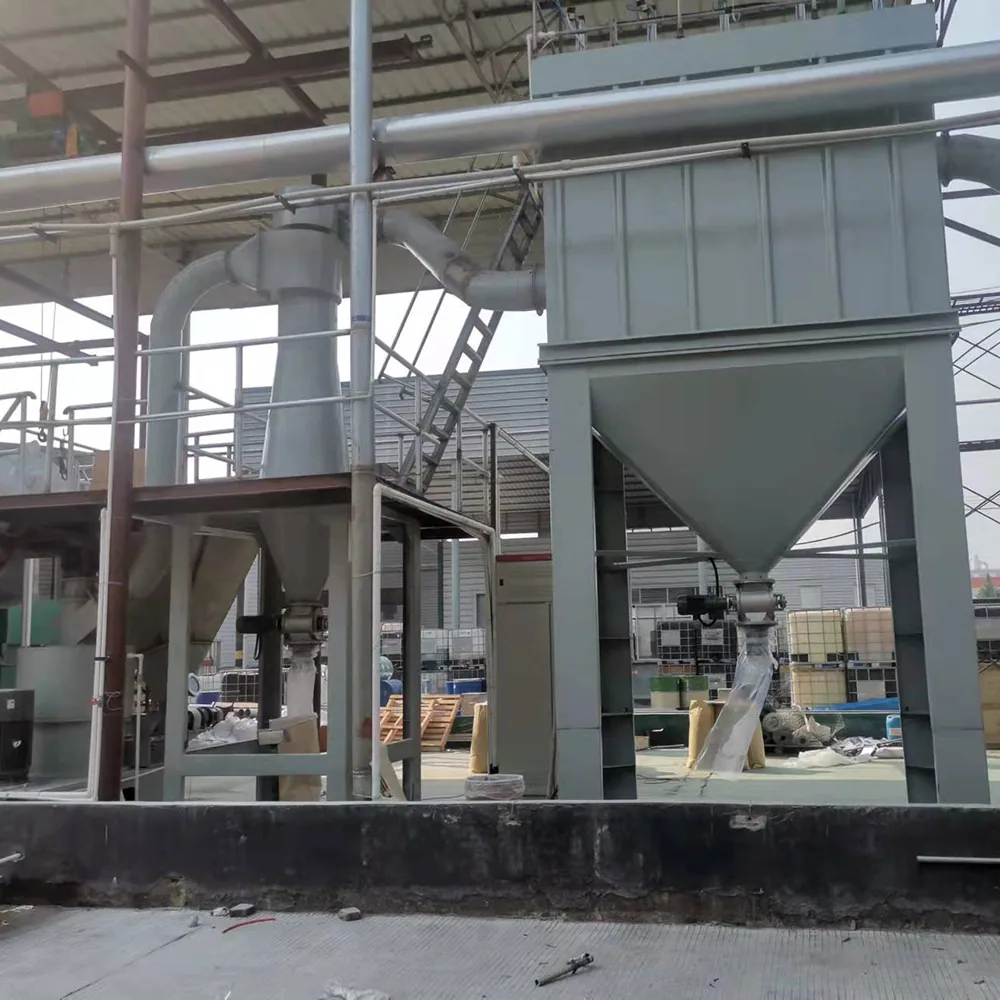
Real project imagery from Cronus and Guilin Mining Machinery manufacturing and installation work. Project details are shared against a qualified inquiry where confidentiality permits.
05 / Technical specifications
Data below is transcribed from the supplied Cronus battery-material impact mill manual. Final selection follows feed testing and process confirmation.
| Parameter | CJM-1000 | CJM-1250 |
|---|---|---|
| Rotor diameter | 1,000 mm | 1,250 mm |
| Main grinder speed | < 1,900 r/min | < 1,900 r/min |
| Classifier speed | < 2,900 r/min | < 2,900 r/min |
| Main grinder power | 132 kW | 160 kW |
| Classifier power | 30 kW | 30 kW |
| Blower power | 55 kW | 75 kW |
| Total installed power | 217 kW | 265 kW |
| Main machine height | 3.85 m | 5.3 m |
| Approx. footprint | 13 x 3 m | 15 x 5 m |
| Rated output | 500-680 kg/h | 750-880 kg/h |
Capacity is material-dependent. Feed size, moisture, bulk density, target fineness, particle morphology and collection configuration can change actual output and power draw.
06 / Equipment selection
The impact mill is strongest where a concentrated particle distribution, shaping behavior and low-contamination configuration are required.
| Selection factor | CJM impact mill Recommended | Ring roller mill | Raymond mill |
|---|---|---|---|
| Primary mechanism | High-speed impact + shear | Compression + rolling | Roller compression |
| Battery powder suitability | High with configured contact parts | Moderate; process-specific | Generally for mineral powders |
| Particle shaping | Strong capability | Limited to moderate | Limited |
| Integrated classification | Inside the grinding circuit | Commonly integrated | External/upper classifier |
| Low-metal option | Composite ceramic available | Requires special configuration | Not the typical priority |
| Best fit | Graphite, coke, battery materials | Ultrafine non-metallic minerals | General 80-400 mesh minerals |
For lumpy, brittle feed, a double-roll crusher can provide controlled upstream sizing with fewer fines before material enters the CJM circuit.
07 / About Cronus
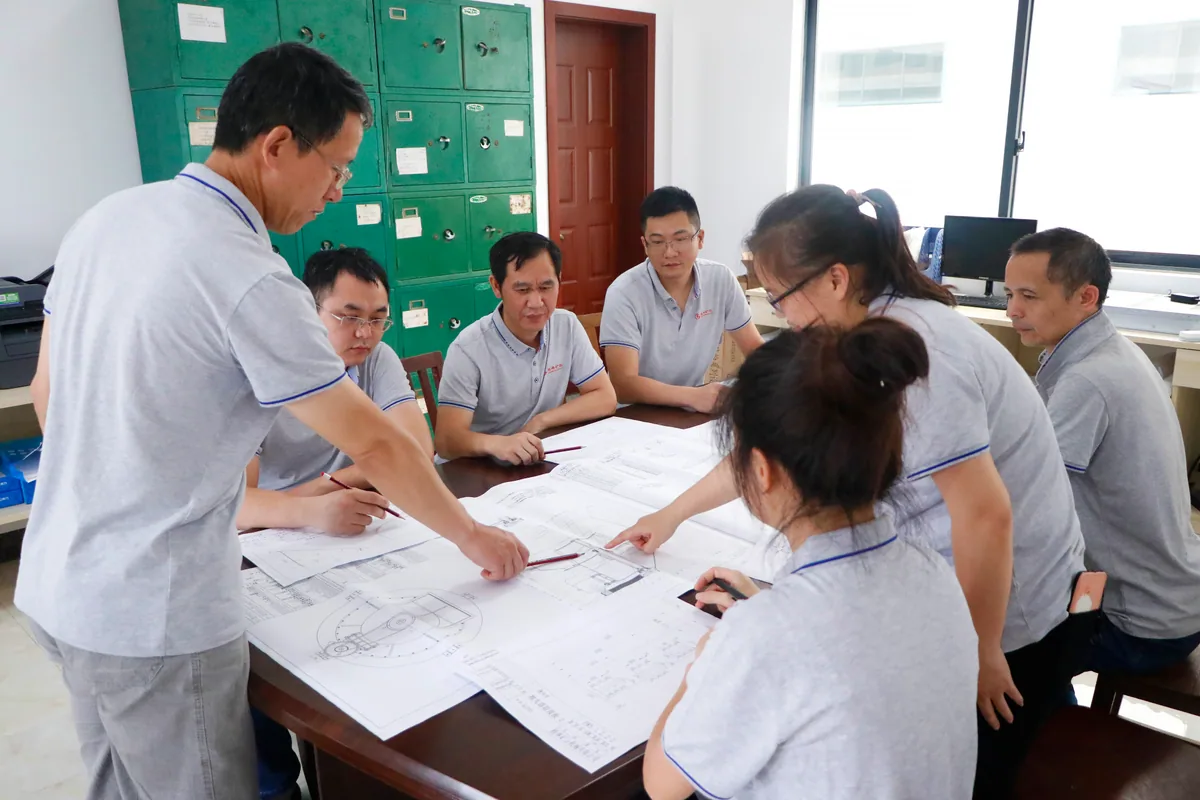
Shanghai Cronus Machinery Co., Ltd. is a subsidiary of Guilin Mining Machinery Co., Ltd. Our parent manufacturing business was established in 1973, giving the group more than five decades of experience in grinding equipment research, design, production and service.
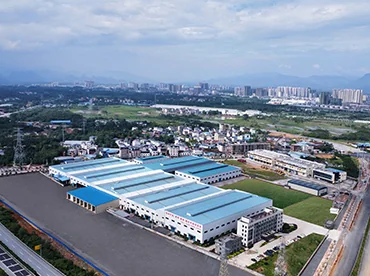
The Guilin base covers approximately 20,000 m², including standardized heavy industrial workshops and more than 200 sets of processing, welding and assembly equipment.
Verified capability
High-tech enterprise recognition, quality management certification, utility model patents and manufacturing honors support the engineering system behind each project.
08 / Parts & lifecycle support
Cronus supplies matched replacement parts through the original equipment channel. Our group manufacturing resources and own casting capability help control material selection, fit and delivery cost.
Hammers, impact pins and grinding teeth
Linings, grinding rings and ceramic contact parts
Rotor discs, shafts, fasteners and balance service
Classifier wheels, blades and drive components
Seals, bearings, filter bags and connection parts
09 / Service
A good battery-material line starts with process questions. Our service path keeps those decisions visible from test work through commissioning.
Feed data, PSD, purity, moisture, capacity and site conditions.
Test plan and configuration recommendation where samples are available.
Flow sheet, equipment list, utilities and layout interface.
Controlled fabrication, inspection and pre-shipment checks.
Installation guidance, operating setup and training support.
Remote diagnosis, process follow-up and original spare parts.
10 / FAQ
Still evaluating your route? Send the material name, feed size, target particle distribution and hourly capacity. We will reply with the points that need confirmation.
Ask an EngineerTypical applications include graphite anode material, petroleum coke, calcined coke, pitch coke, lithium iron phosphate, lithium phosphate and selected lithium compounds. Suitability is confirmed against the actual feed and final specification.
Classifier speed, airflow, feed rate and rotor operating conditions work together. The classifier passes qualified powder and returns coarse particles to the grinding zone.
That is one of the main design goals. Integrated classification reduces uncontrolled over-grinding, but the achievable PSD depends on material breakage behavior and the target range.
Composite ceramic or selected non-metallic contact parts can be used in critical wear zones. The exact configuration depends on purity targets, wear rate and process conditions.
The CJM-1000 is rated at 500-680 kg/h, while the CJM-1250 is rated at 750-880 kg/h in the supplied documentation. Actual output must be corrected for your feed and product target.
Please provide material name, chemical composition, feed size, moisture, bulk density, target D10/D50/D90 or mesh, required output, contamination limit and available utilities.
Yes, especially for battery materials. A representative sample helps verify grindability, morphology, output, wear behavior and classification response before final selection.
Yes. The integrated grinding, classification and negative-pressure collection circuit is intended for continuous industrial production when correctly fed and maintained.
Typical service items include impact elements, liners or grinding rings, rotor components, classifier parts, seals, bearings and filter bags. The exact list follows the supplied configuration.
Replacement intervals depend on feed abrasiveness, rotor speed, operating hours and contact material. Cronus can establish an inspection cycle after commissioning data is available.
Yes. Scope can include feeding, grinding, classification, conveying, dust collection, electrical controls and selected upstream or downstream equipment.
Cronus provides layout interfaces, installation guidance, commissioning support, operator training, remote troubleshooting and OEM spare-parts service. Scope is defined in the project contract.
Project inquiry
Share the data you already have. An engineer will review the process conditions and respond with the next practical step.